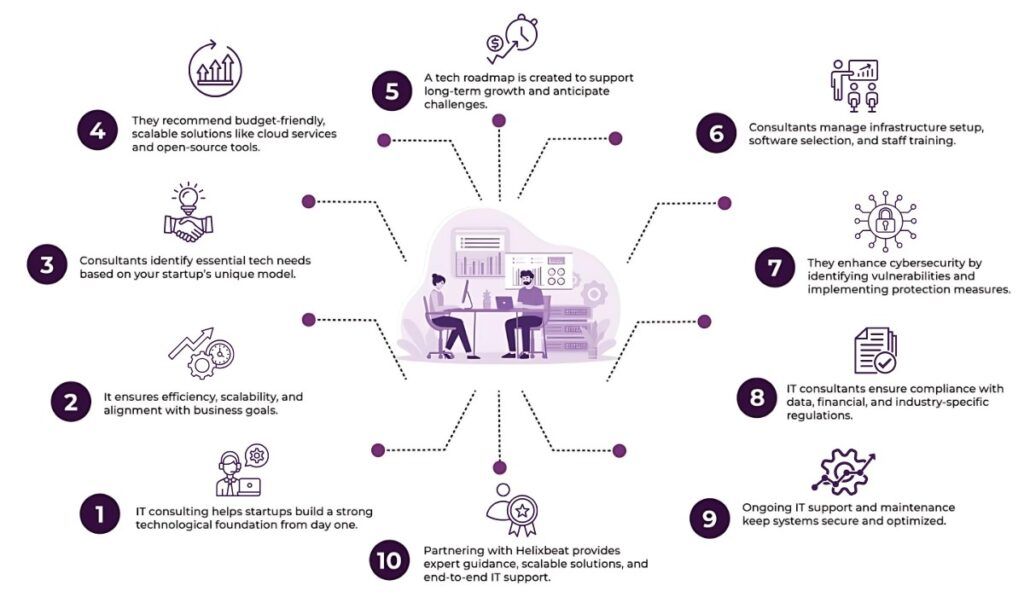
Starting a new business can be an exciting endeavor, but it also comes with its fair share of challenges. One of the most important aspects of launching a successful startup is setting up a solid IT infrastructure. In today’s digital age, having a robust IT system in place is essential for the smooth operation of your business. In this article, we will provide you with a step-by-step guide on how to set up IT infrastructure for startups.
1. Define Your IT Needs
Before you can start setting up your IT infrastructure, it’s crucial to first define your business’s specific IT needs. Consider what tools and software your team will require to perform their job efficiently. Will you need email services, project management software, or customer relationship management (CRM) systems? Make a list of all the IT resources your startup will need to operate smoothly.
2. Choose the Right Hardware
Once you have a clear understanding of your IT requirements, the next step is to choose the right hardware for your startup. Determine how many computers, servers, routers, and other devices you will need to support your business operations. Consider factors such as budget, scalability, and performance when selecting the hardware for your IT infrastructure.
3. Select Cloud Services
Cloud services have become increasingly popular among startups due to their flexibility, scalability, and cost-effectiveness. Consider using cloud services for hosting your website, storing data, and managing applications. Popular cloud service providers include Amazon Web Services (AWS), Microsoft Azure, and Google Cloud Platform.
4. Set Up Network Security
Network security is a top priority for any business, especially startups that handle sensitive data. Set up firewalls, antivirus software, and encryption protocols to protect your IT infrastructure from cyber threats. Make sure to regularly update your security measures to stay ahead of potential security breaches.
5. Implement Data Backup and Recovery Solutions
Data loss can be catastrophic for any business, so it’s essential to implement reliable data backup and recovery solutions. Consider using cloud-based backup services or external hard drives to regularly back up your data. Have a solid disaster recovery plan in place to quickly restore your data in case of an unexpected event.
6. Establish IT Policies and Procedures
To ensure that your IT infrastructure operates smoothly, establish clear IT policies and procedures for your team to follow. Document best practices for using IT resources, setting password policies, and handling security incidents. Regularly train your employees on IT policies to prevent any issues from arising.
7. Monitor and Maintain Your IT Infrastructure
Setting up your IT infrastructure is just the first step. It’s crucial to monitor and maintain your IT systems regularly to ensure they are performing optimally. Keep an eye on network performance, security vulnerabilities, and software updates. Consider partnering with IT managed service providers to assist with ongoing maintenance and support.
Conclusion
Setting up IT infrastructure for startups is a critical aspect of launching and running a successful business. By following the steps outlined in this guide, you can ensure that your IT systems are secure, efficient, and scalable. Remember to continuously evaluate and adapt your IT infrastructure as your business grows and technology evolves. With a solid IT foundation in place, your startup will be well-positioned for long-term success.