In the fast-paced world of technology, businesses are faced with the decision of whether to manage their IT needs in-house or outsource them to a third-party provider. Both options have their pros and cons, and choosing the best fit for your organization can have a significant impact on your operations and bottom line. In this article, we will explore the advantages and disadvantages of both in-house and outsourced IT services to help you make an informed decision.
Cost Consideration
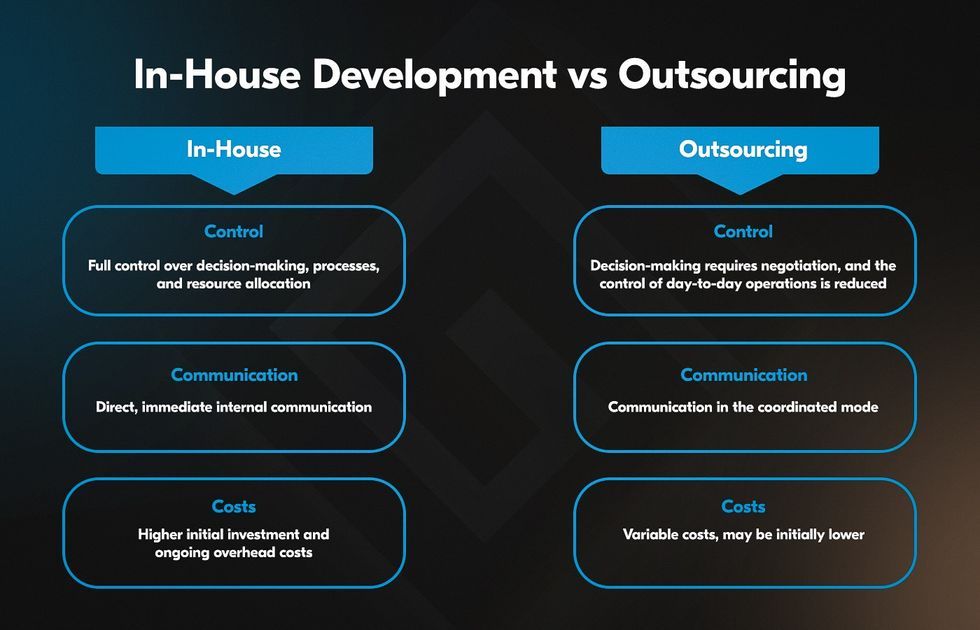
When it comes to cost, outsourcing IT services can often be the more affordable option for businesses. By outsourcing, you can avoid the hefty expenses of recruiting, training, and retaining an in-house IT team. Additionally, outsourcing allows for predictable monthly expenses, as most providers offer fixed-rate pricing plans. On the other hand, having an in-house IT team can lead to higher upfront costs and ongoing expenses, such as salaries, benefits, and training. However, some businesses may find the cost of outsourcing to be prohibitive, especially if they have a small budget or require specialized IT services.
Expertise and Knowledge
One of the primary advantages of outsourcing IT services is gaining access to a team of experts with specialized knowledge and experience. Outsourced IT providers often have a diverse skillset and are up-to-date on the latest technologies and industry trends. This can be particularly beneficial for businesses that do not have the resources to hire and train a full in-house IT team. On the other hand, having an in-house IT team allows for greater control and customization of services to fit the specific needs of your organization. Additionally, an in-house team may have a deeper understanding of your business operations and goals, which can lead to more tailored solutions.
Flexibility and Scalability
Outsourcing IT services offers businesses the flexibility to scale their services up or down based on their current needs. This can be particularly advantageous for businesses that experience fluctuations in their IT requirements throughout the year. Outsourced providers often offer scalable solutions that can be adjusted as needed, without the need for additional hiring or training. In contrast, having an in-house IT team may limit your flexibility, as you are restricted by the number of staff members on your team. Additionally, scaling an in-house team can be costly and time-consuming, as you may need to recruit and train new employees.
Security and Compliance
When it comes to data security and compliance, both in-house and outsourced IT services have their strengths and weaknesses. An in-house IT team can provide greater control and oversight of your organization’s data, which can be particularly important for businesses that handle sensitive information. However, maintaining data security and compliance can be a daunting task for in-house teams, as they may lack the resources and tools of a specialized IT provider. Outsourced IT providers often have robust security measures and compliance protocols in place, which can give businesses peace of mind knowing that their data is in safe hands.
Conclusion
In summary, choosing between in-house and outsourced IT services requires careful consideration of your business needs, budget, expertise, and security requirements. While outsourcing IT services can offer cost savings, expertise, flexibility, and security, having an in-house IT team provides greater control, customization, and deeper understanding of your organization. Ultimately, the best choice for your business will depend on a careful evaluation of these factors and how they align with your overall goals and objectives.